
Boardgame Prototyping for Faster Game Development

Boardgames aren’t just for family nights, they’re also one of the fastest ways to prototype game ideas. Unlike coding, where you might spend weeks before anything is playable, boardgames let you test rules, pacing, and player interactions within hours. A paper prototype can be enough to sketch an idea, but board games add another layer: […]
How to Build a Paper Prototype for Your Game
Prototyping is one of the fastest, cheapest, and most effective ways to test your ideas. Before you write a single line of code, you can already test your game idea.Paper prototypes are one of the fastest, cheapest, and most effective ways to explore whether your concept has potential. Instead of getting lost in assets, code, […]
Scrum@Scale in AAA Game Development: Why Classic Scrum Stops Working

Scrum is one of the most widely adopted frameworks in game development, but there’s a catch: it only works well in small, cross-functional teams of 10 or fewer. Once you scale beyond that, as every AAA studio must, the cracks appear. Meetings balloon. Communication slows. Teams lose focus. Predictability vanishes. AAA studios need something more. […]
Kanban in Game Development: The Framework for Stability
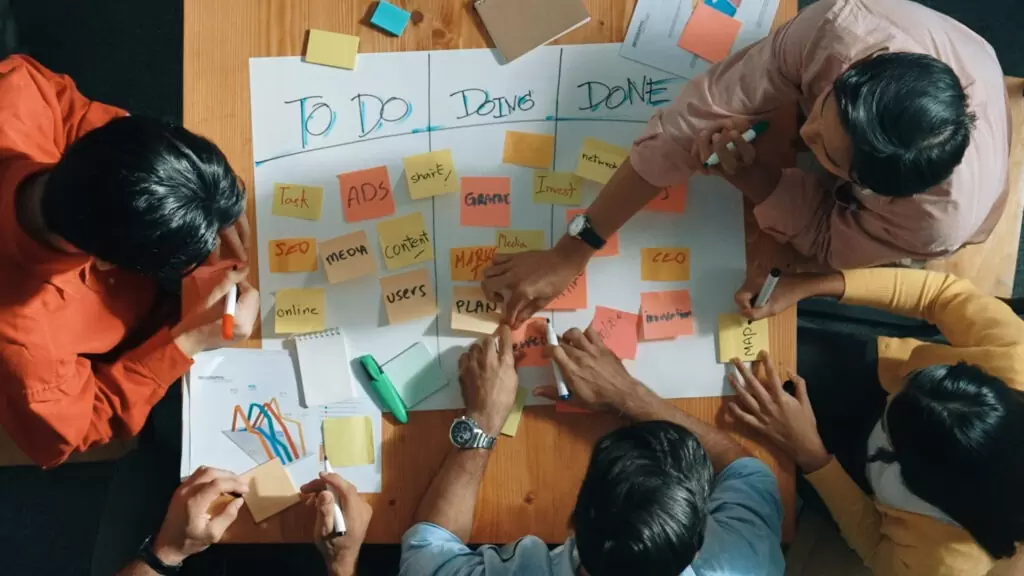
When studios talk about development frameworks, Scrum and Waterfall usually take center stage. But when you’re in the final stretch of development, or firefighting stability issues post launch, neither is the perfect fit. That’s where Kanban comes in. Some teams use the word Scrumban to describe mixing Scrum with Kanban. In reality, most of the […]
Game Monetization 101: Models & Strategies

Game monetization isn’t just about money, it’s about survival. If you want your game to sustain you (and not just sit in a portfolio), you need a plan from day one. To unpack the essentials, I spoke with Ellen Beeman industry veteran, mentor, and collaborator at Toño Game Consultants. Ellen has worked across production, design, […]
QA Is Not Playtesting: Why Indie Devs Need Both
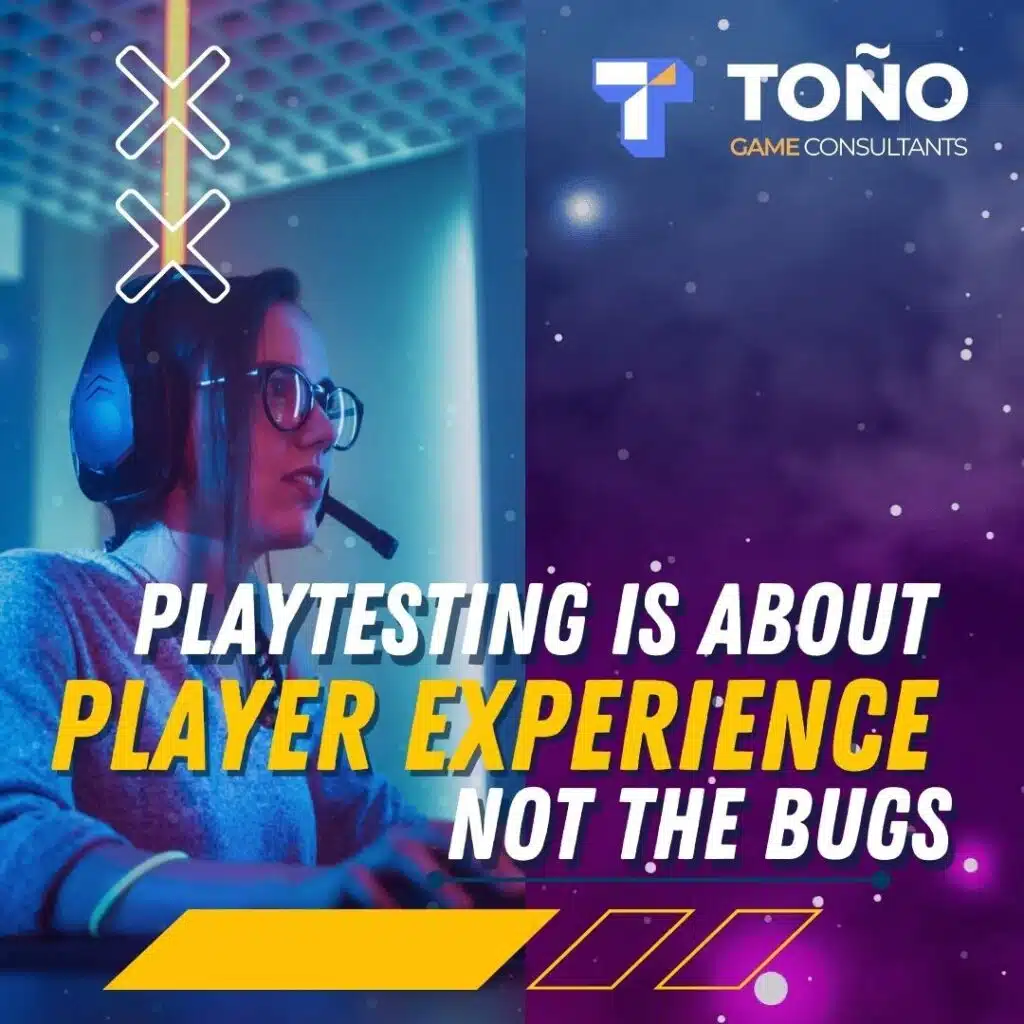
When indie developers talk about testing, QA and Playtesting often get lumped together. Some teams even think they’re the same thing. They’re not — and mixing them up is one of the fastest ways to end up with either a technically stable but boring game, or a fun idea that collapses under bugs and performance […]
Why Every Studio Needs Prototyping (Especially Small Indies)
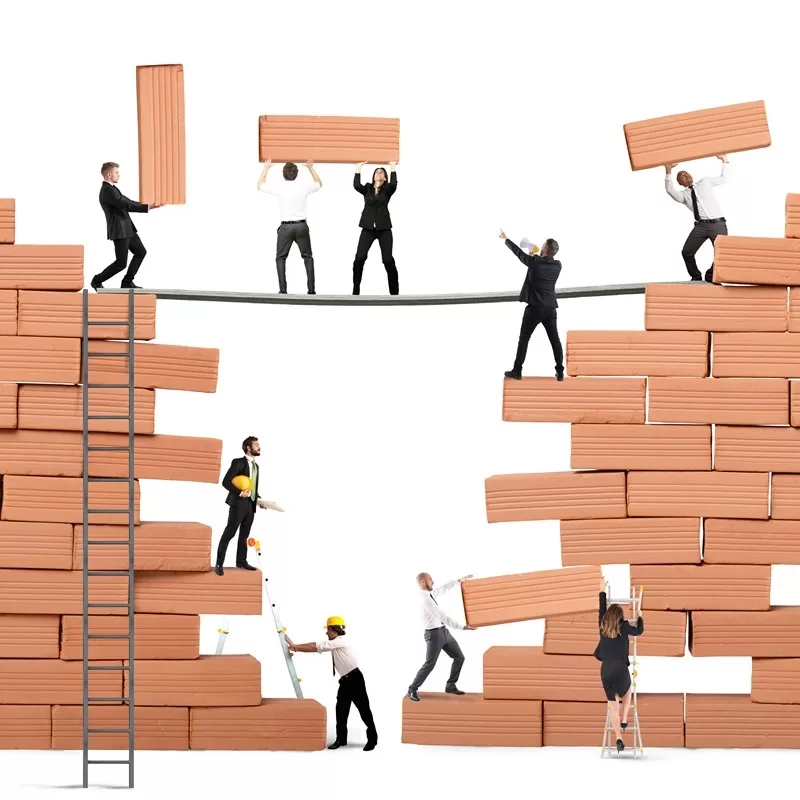
Game development is exciting, but it’s also risky. Many indie studios dive straight into production, believing their “cool idea” will naturally turn into a fun, successful game. But without prototyping, you’re basically building blind. A prototype is your first safety net. It’s not about making something pretty, it’s about proving that your mechanics are engaging, […]
Technical Producer in Games: Role & Responsibilities
Production in game development is often invisible. Producers don’t write code or paint textures, yet they are the force multipliers who make sure the work gets done, done well, and done on time. Ironically, they’re also among the first roles cut when studios downsize, just after QA. But removing production doesn’t remove the need for […]
Why Indie & AA Studios Need a Fractional CTO

Every game that ships is a miracle. Art, code, design, audio, all have to align perfectly to create a playable experience. But when the technical side is left unchecked, even well-funded teams with brilliant ideas can waste years heading in the wrong direction. That’s where a CTO comes in. What Does a CTO Do in […]
Select What Does a Game Producer Do? Role Skills & Responsibilities

When game developers talk about the roles needed to ship a game, “Producer” often gets overlooked or misunderstood. Some teams try to go without one, assuming production is just “paperwork” or “scheduling.” Others hand the role to someone without enough context, and then wonder why the project keeps slipping. The truth? A producer is a […]