Game Consultants for Indie to AAA Studios
Projects our team has worked on

Pokemon GO

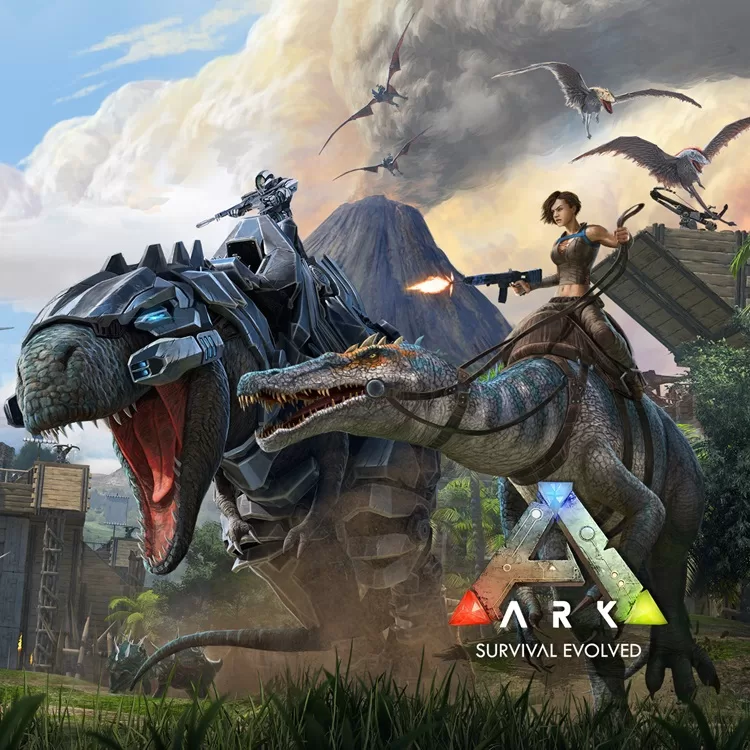
Ark Survival Evolved
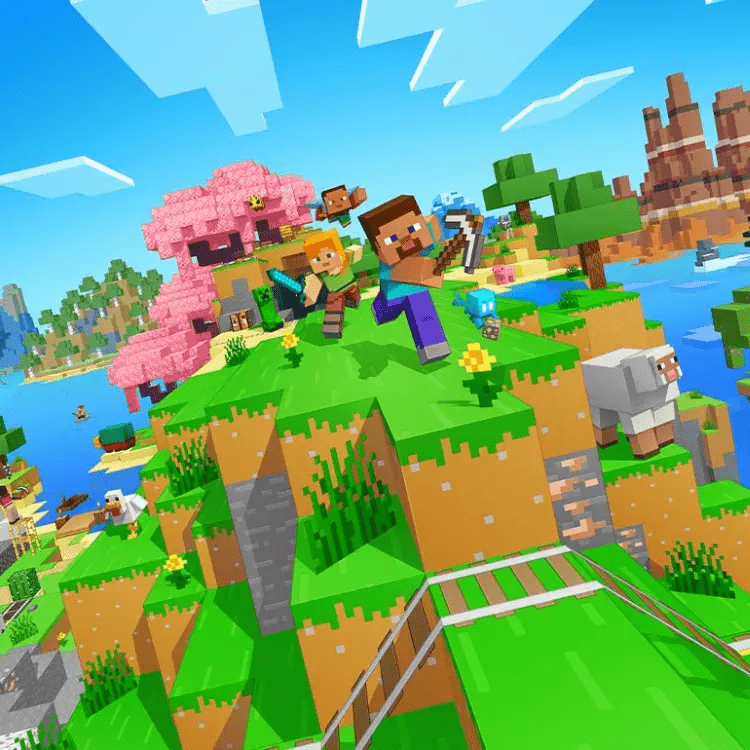
Minecraft
Halo Infinite
Catan
Crucible
Elo Hell
Epsilon
Pokemon Go
Ark Survival Evolved
Minecraft
Halo Infinite
Catan
Crucible
Elo Hell
Epsilon
Game Challenges
Delays, crunch, and tech debt hold teams back. Missed milestones pile up, builds become unstable, and team morale drops. We help you identify these roadblocks early and remove them, so progress feels natural again and your project can move forward with confidence.
Ready to get help? Explore our Game Consulting Services
Service Overview
Project Management
We help you define scope, timelines, and resources so your plan stays on track.
Read more about Project Management
Production
We coordinate teams, track progress, and remove blockers to keep development moving.
Learn more about Game Production
Technical Guidance
We support your team with architecture decisions, service integration, and pipeline solutions.
Discover Technical Production Solutions
Game Dev Resources
Mapping Tool for Game Developers
Plan your game’s scope and milestones visually.
Start Mapping Your Game
Time Estimation Toolkit
Estimate your workload and predict delivery timelines with confidence.
See How Long It’ll Really Take
Engine Proof Template
Validate your technology and catch red flags before production.
Validate Your Engine Selection
What It’s Like To Work With Us?
People I’ve worked with on titles like Pokemon Go, Minecraft, Halo Infinite, and more:
Toño quickly stepped in with process suggestions that were adopted and sped up our ability to put out work faster than it was coming in. Even though he was an engineer at the time, he understood which parts of Scrum we actually needed on a small prototyping team and which we could ignore. His grasp of what we were making, how it needed to be made, and how to organize the team helped us come from behind and hit our deadlines. If he hadn’t taken over the production process on that project, I’m not sure we would have made it.
We brought Toño in as an engineer on a prototype feature for a live mobile game, and he quickly became a partner in improving our Scrum and Agile processes. He consistently delivered when speed and accuracy were critical, and adapted easily as requirements changed. His process suggestions made our sprints smoother and our output more reliable.
Toño brings strong production knowledge on top of considerable technical skill. He recently ran a seminar for our students on game project scheduling and prioritization that was clear, concrete, and immediately useful. I’d recommend him to any team that needs a sharper plan and better prioritization for their game projects.
See What’s Possible for Your Team
A game consultant helps studios turn ambitious ideas into achievable plans. That often means aligning timelines, scope, and resources so development stays realistic and sustainable. If something doesn’t fit, whether it’s deadlines, scope, or team capacity, we step in early to adjust and keep things on track. The goal isn’t just to finish, but to ship your game in the best possible state within your real-world constraints.
Game development isn’t predictable, there’s discovery, experimentation, and constant shifts as teams push technology and creativity. Traditional project management expects stable inputs, but games rarely work that way. By combining game design knowledge with project management, we reduce risks, anticipate where experimentation is needed, and keep focus on the areas that create the most value.
Without a plan, teams fall into crunch, scope creep, and endless iteration. A clear plan sets expectations around scope, priorities, and timelines, giving everyone a shared roadmap. It doesn’t eliminate change, but it creates the structure needed to adapt quickly while keeping the project moving forward.
We use a mix of Waterfall, Scrum, and Kanban practices in a framework we call Games @ Scale (inspired by Scrum @ Scale). This lets each team work with the method that fits them best, while still meeting dependencies for others. We adapt to the software your studio already uses, Jira, Azure DevOps, Trello, or whatever tool keeps your team productive.
We start by reviewing where the project stands, scope, priorities, resources, and timelines. From there, we identify the gaps and work with you to balance scope, extend schedules, or adjust resources. This creates realistic paths forward, so your team can deliver without burning out or losing focus.
The cost of game consulting depends on your studio’s goals and the type of support you need. Some teams bring us in for focused, short-term help, like setting up a build pipeline, automated testing, or production workflows, while others engage us for ongoing production consulting or fractional leadership. We structure our programs to fit different budgets, whether you’re an indie team looking for guidance or an established studio needing deeper involvement. The best way to understand cost is to start with your scope, timeline, and resources, then we’ll recommend an approach that ensures your game ships in the best way possible within those constraints.