
Game Project Management: Blending Design and Planning
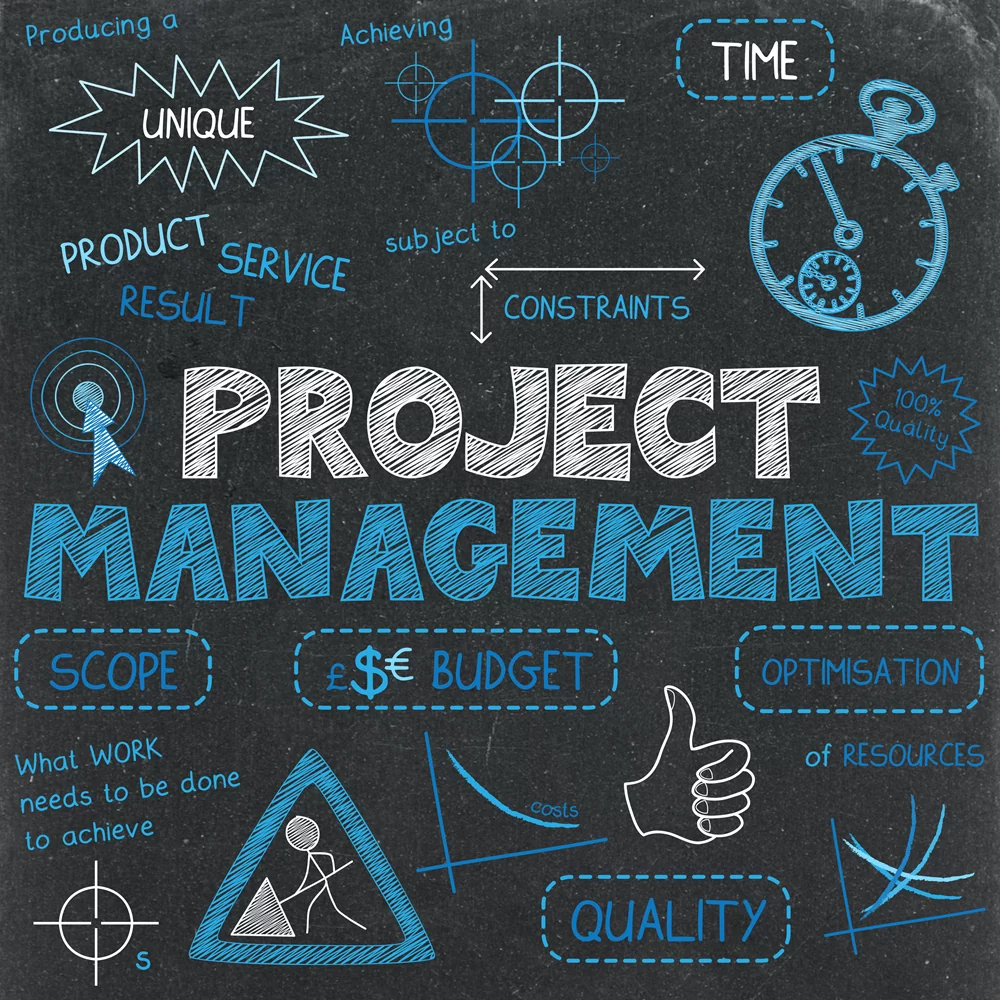
You and your team have been working late nights, pushing through endless weeks of crunch. The game is finally ready. You’ve poured your heart into every line of code, every asset, every level. And then, release day comes, and players don’t connect. Reviews say “unpolished”, “frustrating”, or worst of all, “forgettable.” It’s a gut punch […]
How to Start Small Without Killing Your Big Idea

Over the last few weeks, I’ve been answering questions on Reddit from developers working on roguelikes, horror games, survival sims, story-driven adventures, and base-builders. No matter the genre, the same challenge kept showing up: Scope kills projects It’s easy to get overwhelmed when you try to build your entire game at once. The secret isn’t […]
Mobile Game Production Consulting | Scale, Retain & Deliver Updates on Time
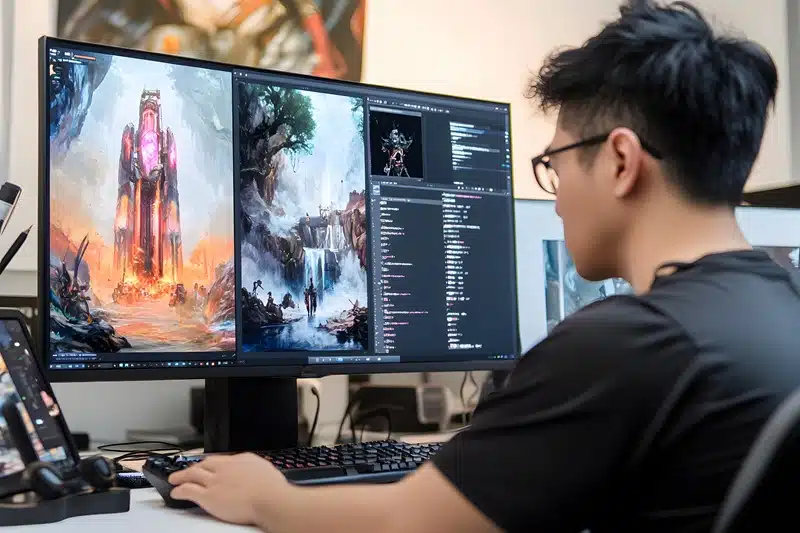
Mobile games generate nearly half of the global gaming revenue, but they also carry the most unforgiving production cycles. Players expect constant updates, app stores punish delays, and even small bugs can tank reviews overnight. For indie and AA studios, keeping up isn’t just hard, it’s overwhelming. That’s where production consulting comes in: helping teams […]
Scrum in Game Development: Explained for Game Teams

Scrum in game development is an Agile framework that organizes work into short sprints, with defined roles, ceremonies, and backlogs. It helps teams forecast timelines, manage scope creep, and deliver playable builds more predictably. But here’s the catch: “Scrum is not easy.” At first glance, Scrum looks straightforward: sprints, stand-ups, reviews, and retrospectives. Many teams […]
Playtesting: The Most Underrated Skill Every Indie Dev Needs

Over the last 15 days, I’ve been active on Reddit, reading, answering, and discussing questions from indie developers. No matter the genre, narrative games, strategy AIs, cozy sims, idle games, the same theme kept surfacing again and again: playtest, take notes, watch reactions, iterate. In fact, I first touched on this idea last year in […]
Game Loop (Gameloop): What It Is & How It Works

Ever played a game and thought, “Just one more round,” only to realize it’s 3 a.m.? That’s the power of a good gameloop. A gameloop isn’t just about keeping players busy—it’s what keeps them engaged. It’s the rhythm of your game: the cycle of actions, rewards, and progression that players repeat without getting bored. Think […]
Time Estimation in Game Development: Smarter Forecasts

Every game developer knows the pain: you look at a task and think, “This will take a few hours.” Days later, you’re still in the weeds. The truth is simple: humans are terrible at estimating time. And in game development, where bugs, scope creep, and constant discoveries derail even the best-laid plans, hour-based estimates are […]
How to Find Game Inspiration and Build Meaningful Games

Ever sat down to work on a game and thought, “Okay, where do I even start?” You’re not alone. Every great game starts with a spark, that “aha!” moment that makes you want to build something new. But inspiration doesn’t always show up like a pizza delivery. Sometimes, you’ve got to hunt it down. Maybe […]
Story Mapping in Game Development | Guide & Free Tool

Writing a game story without a plan is like building a house without a blueprint. You might end up with something, but it’ll probably have shaky foundations, missing walls, and a roof that leaks. That’s where story mapping in game development comes in. When I started my consultancy, I was struck by how often indie […]
Engine Proof in Game Development | Test Before You Build

Day #272. You’ve spent months building your dream game. The world feels alive, the mechanics are tight… and then your engine crashes. Progress halts, frustration sets in, and you wonder: “Could I have avoided this?” That’s where engine proof comes in, the unsung hero of game development that could’ve saved your bacon. If you’ve read […]